remier League clubs reported 40 positive COVID-19 tests during the week ending December 27, 2020, creating the most serious public-health crisis the competition had faced since its return behind closed doors. The league confirmed that 1,479 players and club staff members were tested across two rounds, with 18 positive results recorded in the first round and 22 in the second. The figure quickly became a warning sign for English football: 40 people in the Premier League contracted COVID-19 last week. Several clubs were forced to isolate players。reorganise training sessions and ask medical teams to trace contacts within tightly controlled bubbles.The announcement came at a particularly difficult point in the season. Fixtures were arriving every few days, players were travelling across the country and many squads were already dealing with injuries caused by the compressed calendar. Manchester City’s match at Everton on December 28 was postponed only hours before kick-off after a number of City players and staff returned positive tests. The decision left supporters frustrated, but the league and clubs had little room for improvisation once a possible outbreak had been identified. The result also sharpened the debate over whether the schedule was placing sporting demands above basic health precautions. Against that background, the statement that 40 people in the Premier League contracted COVID-19 last week carried more weight than a routine testing update.Training-ground routines changed almost overnight. Players who had shared dressing rooms or travelled together could be removed from group sessions, while staff members were required to monitor symptoms and report contacts even when they felt well. At Tottenham Hotspur, manager José Mourinho had already spoken publicly about the strain of a season in which players were moving between matches with little recovery time. Liverpool manager Jürgen Klopp also acknowledged that clubs were attempting to protect their squads while maintaining a competition that depended on regular television broadcasts. The new infections made that balance more fragile. A club could have a full starting eleven available one day and lose several options after a single test the next morning.For the league, postponements presented a logistical problem as much as a medical one. The Premier League had limited spare dates, and rescheduling one match risked creating a chain reaction involving domestic cup ties and European fixtures. Brighton’s postponement against Tottenham earlier in December had already shown how quickly an outbreak could affect the calendar. The latest numbers suggested that individual club protocols were not always enough when infections were circulating widely in the community. Football’s testing programme could identify cases, but it could not eliminate every route of transmission. The phrase 40 people in the Premier League contracted COVID-19 last week therefore described more than a statistical spike;
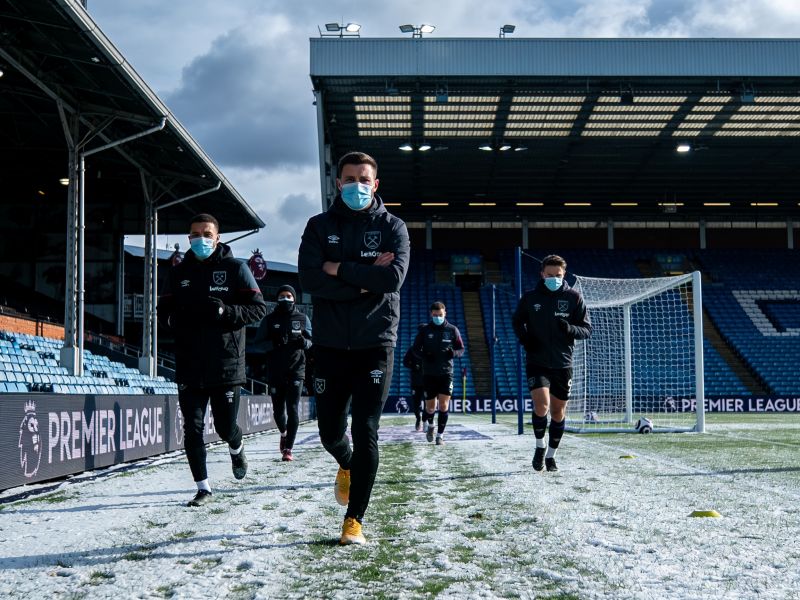
it reflected the growing pressure on a competition trying to continue through a national health emergency.Players and managers were likely to face renewed questions about discipline, travel and social contact during the winter period. The league’s existing rules required regular testing and isolation, yet enforcement depended heavily on individual behaviour away from the training ground. With a new。more transmissible variant spreading in parts of England, clubs faced the possibility that the weekly totals could rise again. The immediate priority was to prevent infections from reaching vulnerable staff and to preserve confidence in the matchday process. Whether fixtures could continue without further postponements depended on the next round of results. For supporters watching from empty stadiums, 40 people in the Premier League contracted COVID-19 last week was a stark reminder that the pandemic remained part of every match, even when the cameras showed only the pitch.