utras is moving from a relatively obscure name into a wider cultural conversation, appearing in community projects, social media profiles, small businesses and public events across Southeast Asian and diaspora communities. The word has attracted attention because it sounds familiar in several languages while carrying different shades of meaning depending on where it is used. In Indonesian and Malay contexts。“putra” is commonly associated with a son, a young man or a prince, while the plural form may suggest sons or a group of young men. The addition of an English-style “s” has helped Putras travel easily across online platforms, where users often adapt traditional words for brands, creative groups and informal networks. That flexibility may explain why Putras is now being used beyond its original linguistic setting.In recent months。references to Putras have appeared in event listings, clothing labels and youth-oriented media accounts, although there is no single organization controlling the name. A café owner may use Putras to signal heritage and family continuity;a music collective may choose Putras because it sounds energetic and easy to remember. One designer interviewed for a community newsletter described the name as “short, warm and open to interpretation” a useful quality in a crowded digital marketplace. The same word can look traditional on a storefront sign and contemporary in a logo built for Instagram or TikTok. That contrast gives Putras a visual advantage. It can be written in a classic serif typeface, displayed alongside regional motifs, or reduced to a clean emblem that works on a phone screen.The growing interest in Putras also reflects a broader effort among younger creators to reclaim cultural language without presenting it as museum material. At a weekend craft market, vendors using Putras on labels paired the name with batik patterns, woven textures and modern streetwear cuts. Customers were not treating the word as a rigid historical reference;many used it casually, asking whether Putras represented a family, a collective or a product line. That uncertainty became part of the appeal. Several vendors said visitors remembered the name after seeing it only once。while older attendees connected Putras with familiar words from family conversations and ceremonial language. The result was a small but revealing exchange between generations, with the name functioning as a bridge rather than a fixed definition.
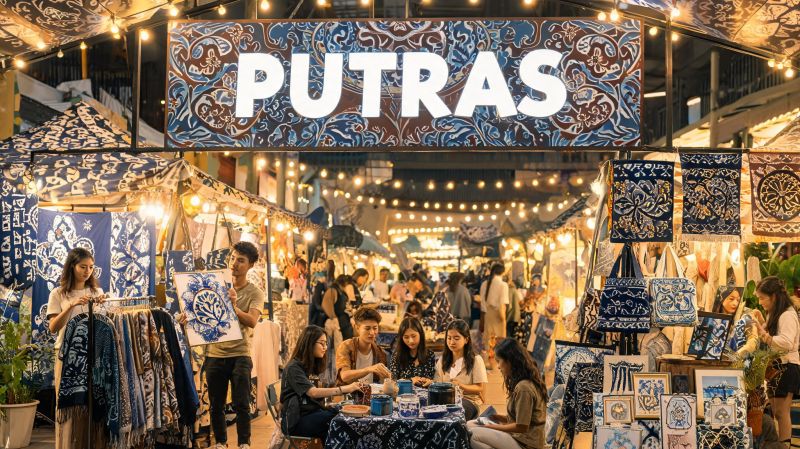
Still。the popularity of Putras brings practical questions. Because the term has different associations across countries, businesses using Putras must explain what they mean and avoid claiming ownership over a word with deep regional links. Branding specialists say pronunciation, spelling and context matter, particularly when Putras is marketed internationally. A name that feels respectful in one market could appear vague or overly commercial in another. Online searches also produce mixed results, making it difficult for audiences to distinguish a fashion label from a cultural association or a personal project. For that reason, successful users of Putras tend to pair the name with a clear description, a location and a visible story. The label alone may attract curiosity, but context turns curiosity into trust.Putras remains an evolving expression rather than a settled institution, and that may be its strongest feature. Its appeal lies in the space between heritage and reinvention: familiar enough to carry emotional weight。adaptable enough to fit new creative work. Local organizers see potential for Putras in youth programs, cultural festivals and independent publishing, while entrepreneurs view it as a memorable identity in markets crowded with generic English names. Whether the word becomes a lasting brand or fades after a brief burst of online attention will depend on how responsibly people use it. For now, Putras is drawing notice because it allows different communities to recognize something of their own meaning in the same compact name.